Removing The Knife

Image by Reza Hasannia

We each have good and bad days, but lately, even the good days seem overshadowed by some virus dread. Most days now, I might wake up feeling positive–that things are getting better–but towards the evening, I worry if things will worsen. After a few days of this anxiety, I exhaust myself so much that I barely have the energy to think clearly, and I can imagine others feeling similarly. So, I’ve been trying to use more logic in these emotionally trying times. Here’s the best I could come up with so far:

Fear makes us aware that we can be harmed when a situation becomes challenging. If broken, pain tells us that we can do something about it. But if we choose irrationality, it will say to push the knife all the way through to take it out. And suffering is the resulting consequence of the choices we make.

If we pause to act rationally, we realize that the knife doesn’t need to go deeper. We can assess and act accordingly. But if all we focus on is trying to remove the knife in any way possible because of the pain, we might do it in the worst way possible: pushing it all the way through, even though there are many better ways. As Mike Tyson was famous for saying, “Everyone has a plan until they are punched in the mouth.” When we are in pain, it’s challenging to remain coherent. But if we accept pain as part of our lives, we can learn to respond–and not just react–whenever we feel it.
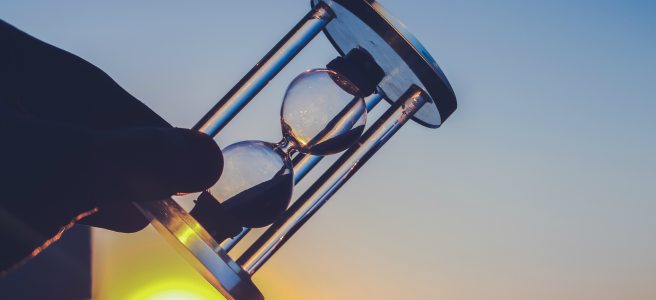

Time Slows, Never Stops

The world is not ending, but it is slowing down. Many of us haven’t had the chance to experience living at a slower pace until now, so the transition many of us are going through is shocking. Maybe we struggled to stay positive before, and now there is less hope. But when things slow down, it forces us to look at details. Many of us were looking for happiness outside ourselves in the form of distractions…but now, since we are all at home, we have no choice but to come to terms with ourselves. Some of us would instead not look inside ourselves and sedate ourselves at home with food, drinks, or entertainment while biding our time. But choosing entertainment over self-educating comes with a couple significant costs. The first is that we spend valuable time entertaining ourselves versus knowing ourselves. We wouldn’t have changed much coming out of this virus quarantine panic, and when things finally blow over, we will return to life the same. And then the next crisis, the same pattern. But those who choose to learn during this crucial time fortify themselves as independent people who unwillingly become the source of help and positivity during the next crisis. The second cost is health, which erodes with anxiety. If we are already cooped up, uncomfortable, annoyed, exhausted, and everything, not knowing when this quarantine will end will make it seem like the feelings we have now will also last indefinitely. In this sense, the environment in the head becomes much worse than the epidemic we face. Things are slowing down, but far from ending. We need a breather to become accustomed to what it feels like to not live a rushed, routine life. As the saying goes, “The devil is within the details.” This is a rare chance for many of us to examine our lives in detail and maybe also absolve some demons that plagued us even before this plague.


Open Hearts, Open Hands

Photo by Luis Quintero from Pexels

If we spend time being angry at irresponsible people for not acting mindfully in crisis, we become distracted from being helpful ourselves. It’s really wasteful to use precious energy being frustrated and angry at the selfish and ignorant actions of others; ugliness is often obvious, and it doesn’t need a hype-man. Shaking closed fists angrily at injustice has its place, but during a time when friends and loved ones suffer uncertainty, be an open hand. An open hand comes from an open heart, and becomes a place of giving and receiving; a place of no ego. We all are in need of something, and can always give something. Try to keep both heart and hand open, and let’s overshadow ugliness with action.


The Panic Of 2020

Photo by luizclas from Pexels

So many of us, since grade school, grew up taught the the idea that it’s important to make a difference. It’s one thing to hear about the great deeds of people like FDR, Dr. King or Gandhi during difficult times; but it’s another experience to be a person who acts consciously when things are difficult. The greatest difference is made during times of difficulty, because kindness becomes a scarce commodity. A great deed can be just calling a friend, to see if they are okay. It could be posting on social media where supplies are still available, and offering to pick some stuff for others. It could be picking up and donating excess supplies to senior communities.

Every act from kindness is a source for greatness. Instead of shaming the people who are acting impulsively and adding fuel to the fire, perpetuating the story of how the world has gone crazy, I suggest another solution: be courageous enough to be the sanity in this passing storm. Because when it all eventually subsides, we will have to look at ourselves and either regret, or be proud, of the people we acted as.